James Spooner finally got his film back. After years of legal stress, broken promises, and a long fight behind the scenes, the creator of "Afro-Punk" now owns the documentary that helped reshape punk culture for Black audiences across America.
For Spooner, this was never just about paperwork or money. "Afro-Punk" carried real stories from people who rarely saw themselves represented in punk spaces. The film became a voice for outsiders inside a scene that often acted like Black fans did not exist. That voice nearly disappeared.
The Film That Changed Punk Culture

The News / When "Afro-Punk" came out in 2003, it hit like a jolt of electricity. Spooner traveled across the United States interviewing one hundred Black punks about music, race, identity, and belonging.
The documentary explored how these fans navigated scenes that were mostly white and often hostile.
At the time, mainstream music media barely talked about Black punks. Punk itself carried a public image tied almost entirely to white bands and white audiences. Spooner’s documentary cracked that image wide open and forced people to confront what had been ignored for decades.
The film connected deeply with viewers because it felt raw and honest. People talked openly about loneliness, racism, self-hate, and trying to hold onto individuality inside scenes that claimed to welcome everyone. Those conversations still land hard today because many of those same problems still exist.
"Afro-Punk" quickly became a cult favorite in underground circles. Fans traded copies online and screened the documentary in community spaces and music venues. It helped spark conversations that later grew into festivals, collectives, and larger networks for punks of color.
Over time, the name Afro Punk turned into a global brand. Festivals expanded across several cities and attracted huge crowds. Yet Spooner himself slowly lost control of the film that started it all.
A Bad Deal Almost Buried the Documentary
Spooner has spoken openly about what happened next. While the documentary gained momentum, he entered a business agreement with investors who purchased the DIY project from him. He later described the deal as shady and damaging.
The filmmaker explained that he was young and inexperienced at the time. He trusted people who made big promises about distribution and growth. Instead, he found himself pushed further away from his own creation.
The outcome frustrated longtime fans. "Afro-Punk" quietly disappeared online without a proper release strategy or restoration effort. Existing versions looked rough and blurry because viewers were often watching old, low-quality copies passed around for years.
Spooner described it as “the worst possible fate for a film about visibility.” A documentary built around marginalized voices became harder and harder to actually see. The legal battle stretched out for years. Spooner worked with pro bono lawyers while trying to reclaim ownership of the documentary. The dispute eventually ended in 2025 through arbitration rather than a courtroom trial.
That decision marked a major turning point. Spooner finally regained the rights to "Afro-Punk" and immediately started planning a full restoration of the film.
Restoring "Afro-Punk" for a New Generation
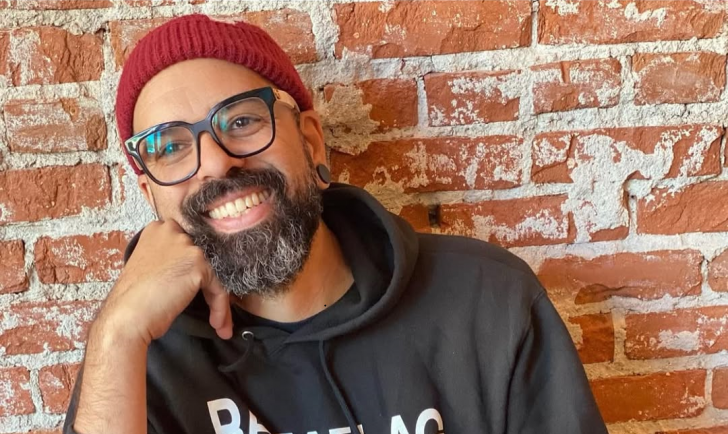
Spooner / IG / Now that the rights are back in his hands, Spooner is rebuilding the documentary from the ground up.
The restoration process includes color correction, lighting adjustments, sound improvements, and technical updates needed for modern streaming platforms.
The original film was designed during the DVD era for older television screens. Without upgrades, the documentary would struggle to meet current platform standards. Spooner wants audiences to experience the movie the way it was always meant to look and sound.
Fans responded immediately once news of the restoration spread online. A Kickstarter campaign for the project reached its initial goal within ten hours. Supporters continued donating until the campaign pulled in around $17,000.
That funding will also help add international subtitles so the documentary can reach wider audiences around the world. The strong response proves the film still matters more than twenty years after its release. Spooner believes the documentary remains painfully relevant. Discussions around race, isolation, capitalism, and identity inside music scenes continue today across punk, indie rock, hardcore, and alternative culture.