Alex Gibney says Elon Musk had plenty of chances to speak for himself before the filmmaker finished his nearly four-hour documentary about the billionaire. The Oscar-winning director says his team repeatedly contacted Musk while making “Musk,” a sweeping documentary about the Tesla and SpaceX chief’s rise, businesses, political influence and public image. According to Gibney, those requests went unanswered.
“I reached out immediately,” the 72-year-old legendary director said during the Toronto International Film Festival in September. He added that Musk “clearly wasn’t interested in talking” and said the production made “so many formal outreaches” without receiving a response from Musk directly.
That account has become an important part of the growing fight surrounding the movie. Musk’s lawyer, Alex Spiro, has offered a sharply different version, claiming his side tried to contact the filmmakers and was ignored.
Gibney Says Musk Had Repeated Chances to Respond
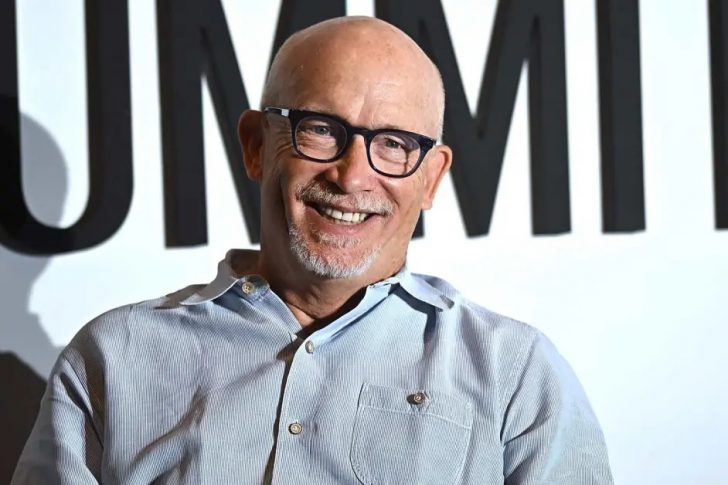
AGN / Gibney addressed the communication dispute as “Musk” screened at the Toronto International Film Festival. The director said he contacted Musk early in the production because he wanted the billionaire to participate.
According to Gibney, that conversation never happened. He said the production received nothing directly from Musk’s camp despite its repeated formal efforts to make contact.
Musk did eventually respond publicly, but not by sitting down with the filmmakers. He turned to X, the social media platform he owns, to attack both the documentary and the man who made it. The Tesla boss has described the film as a “hit piece” and criticized Gibney personally. He has also questioned the credibility and motives of people interviewed for the documentary.
Gibney has pushed back against those attacks. He has noted that Musk apparently began criticizing the documentary without having seen the finished film, while the director maintains that his team conducted extensive research before its release.
The clash became more complicated when Spiro sent a legal letter to Jigsaw Productions, Gibney’s production company. The September 3 letter put the filmmakers on notice over possible defamation claims and challenged parts of the documentary.
Spiro claimed Musk’s representatives had attempted “multiple times” to contact the production. He said they requested a chance to present Musk’s side through the type of fact-checking process commonly used in journalism, but alleged the filmmakers did not engage.
“Musk” Takes a Four-Hour Look at the Billionaire’s Power
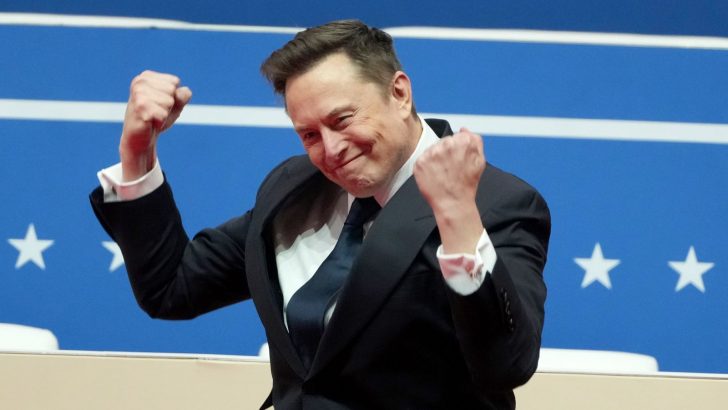
Sky News / The official Venice Film Festival listing gives “Musk” a running time of 225 minutes, plus a 10-minute intermission.
That gives Gibney almost four hours to trace Musk’s path from his early years in South Africa to Silicon Valley and eventually to the top of some of the world’s most influential technology companies.
The film examines Musk’s involvement with Tesla, SpaceX, Starlink and his purchase of Twitter, which he renamed X. It also follows his growing role in American politics and his work with the Department of Government Efficiency during President Donald Trump’s administration.
Gibney told reporters that the documentary originally ran closer to two hours. The scope expanded as Musk’s political role grew, giving the filmmakers another major part of his public life to examine. The trillionaire himself does not appear in a new interview. Instead, the documentary relies on archival material, public statements and interviews with people who have known, worked with or closely followed him.
Those participants include Musk’s first wife, Justine Musk, Tesla co-founder Martin Eberhard, journalist Kara Swisher, computer scientist Geoffrey Hinton and Ashley St. Clair, who has said Musk is the father of her child.
The documentary also uses an AI-generated representation of Musk. The device allows the film to present statements Musk has previously made publicly without pretending that he sat for a new interview.
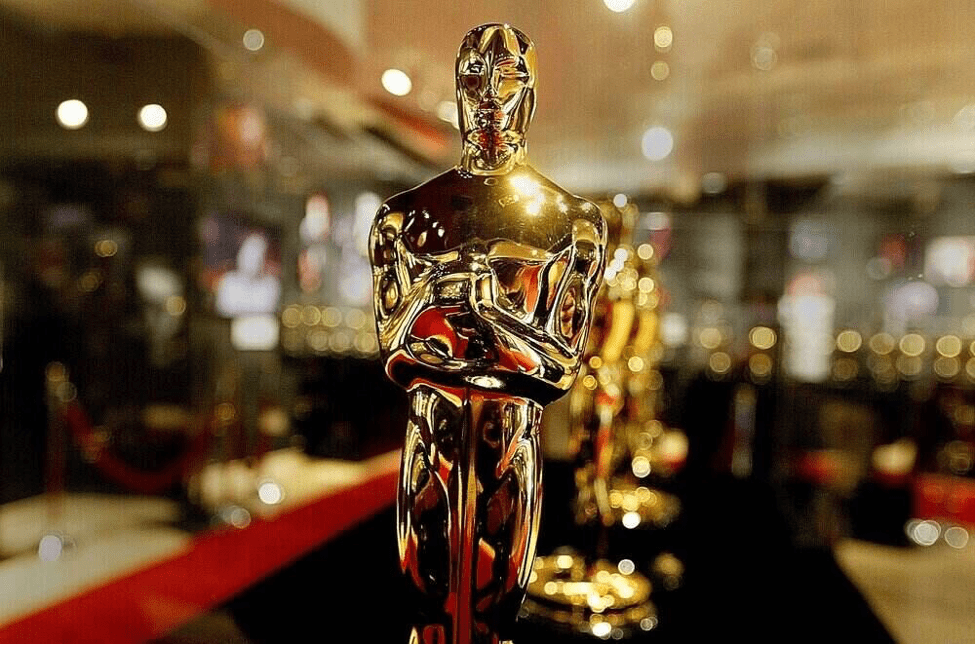
Gibney is no stranger to taking on powerful and controversial subjects. His documentary “Taxi to the Dark Side” won the Academy Award for Best Documentary Feature, and his past work has examined figures and institutions ranging from Steve Jobs to Enron and Scientology.