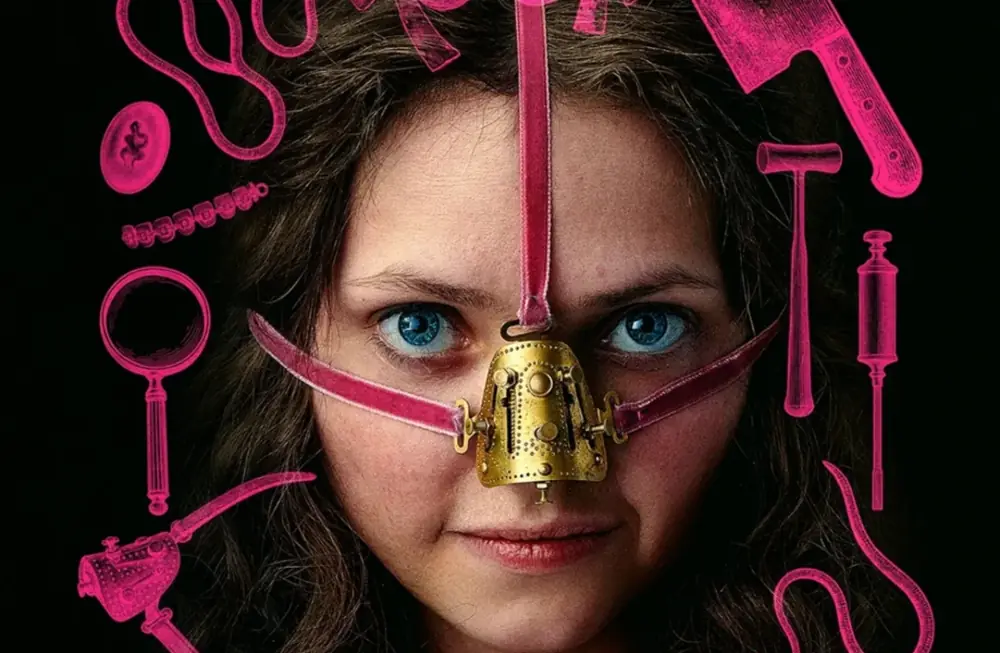
When people think about Oscar nominees, they picture grand war epics or sweeping dramas. They do not expect a Norwegian body horror film packed with fake pimples and falling hair. Yet “The Ugly Stepsister” forced the Academy to look twice, and then look closer.
The film earned a nomination for Best Makeup and Hairstyling at the 98th Academy Awards, standing beside major studio titles like “Frankenstein.” That nomination did not happen by accident. It came from bold choices, strange experiments, and a team that refused to play it safe.
Glam Rock in an 1880s Ballroom
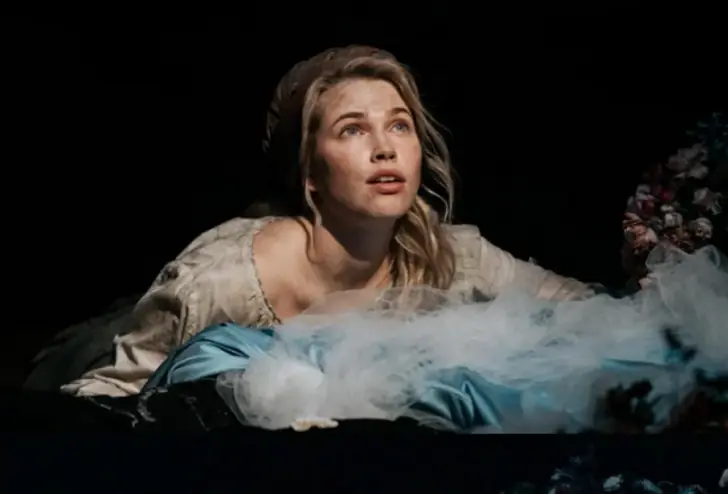
She looked at Cher’s heavy lashes and Marc Bolan’s androgynous sparkle. She thought about David Bowie and The Velvet Underground. Those references shaped the prince’s look into something idolized and dreamy, not realistic. The result feels like a pop concert hidden inside a costume drama.
The lashes were thick and spidery, but not trendy in a modern way. Sauerberg avoided current beauty styles and aimed for something theatrical. Think Twiggy and Shelley Duvall, but seen through a darker fairy tale lens.
This choice mattered because the film centers on Elvira’s obsession. She does not see a normal man at the ball. She sees a star. The glam rock influence turns the prince into a fantasy figure, which mirrors her warped view of beauty and fame.
The Prosthetic Cheeks That Changed Everything
Most viewers focus on the shocking moments. They remember the pimple pop and the worm scene. Few realize that the most complex work happens in quiet close-ups.
Actor Lea Myren did not simply wear makeup. She sat through four hours of prosthetics that reshaped her entire face and body. Thomas Foldberg built soft prosthetic cheeks, a false nose, a double chin, and extra pieces for her neck and arms. These additions softened her athletic frame, making her look younger and more ordinary.
The team wanted Elvira’s “natural” look to feel believable. They did not want a cartoon villain. They wanted someone who looked real enough to exist next door. That subtlety is harder than creating gore.
Foldberg has said that many people assumed he only handled a few wild effects. In truth, the daily transformation was the real challenge. The prosthetics blended so well that most viewers never noticed them. That invisible craft helped push the film into serious Oscar territory.
The Pimple Pop Heard Around the World
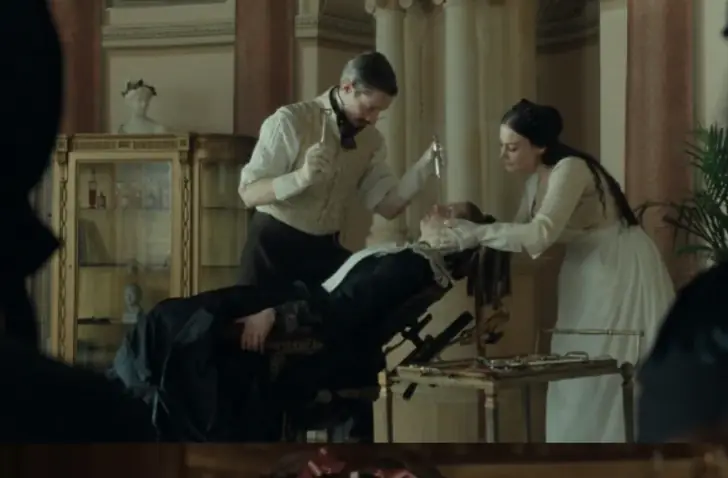
Director Emilie Blichfeldt storyboarded the shot in detail before filming began. That planning allowed the effects team to design a separate silicone face prop for the extreme close-up. They chose not to apply the full effect directly to Myren for that shot. Control mattered more than convenience.
Creating the perfect ooze became a strange science project. Foldberg tested Vaseline mixed with talc and wax-based blends. He experimented with lubricants and thickening agents until he found the right texture. The final mixture had to move slowly and look disturbingly real on camera.
The 2025 horror film does not use gore for shock value alone. Blichfeldt found inspiration in David Cronenberg’s work and treated horror as a metaphor. The film’s infamous tapeworm scene carries meaning beyond its gross factor.
In that scene, the worm represents Elvira’s internalized shame and obsession. It eats away at her from the inside, both physically and emotionally. The makeup team built a practical worm prop for Myren to bite, along with a device to simulate its movement.