Every awards season, viewers ask the same question. Why do the Golden Globes stay silent when beloved actors pass away? The answer is simpler than most people think.
The Golden Globes have never wanted to be a night of reflection. The show sells itself as loud, fast, and fun. Celebrities drink at their tables. Speeches ramble, and jokes land or crash in real time. A somber memorial does not fit that vibe. Producers have said, more than once, that other shows already do this well. They chose not to copy it.
Instead, the Globes honor the dead quietly. The official website features a tribute page that is updated annually. Names are listed. Careers are acknowledged. It happens off camera, by design. This keeps the broadcast upbeat and avoids awkward emotional swings during a live show that thrives on chaos and momentum.
However, there have been rare exceptions. In 2017, the ceremony paused to honor Carrie Fisher and Debbie Reynolds. Their deaths were sudden, connected, and impossible to ignore. Even then, the moment was brief. It did not become a new tradition.
Posthumous Awards Are Not Banned, Though
There is no rule blocking posthumous nominations or wins. If a performance qualifies, it competes like any other.
Eligibility rules apply evenly. The work must be finished. It must be released within the awards window. It must be properly submitted. Death does not change the process.
However, if a late performance does not show up on nomination morning, it is usually for one reason. It did not clear the same high bar as the rest of the field. The Globes vote on buzz, impact, and momentum. If a film misses its release date or fails to break through, the performance fades from contention fast.
The Globes Have Historically Honored the Dead
The record tells a different story than the outrage suggests. The Golden Globes have honored deceased actors many times. When a performance hits hard, voters respond.
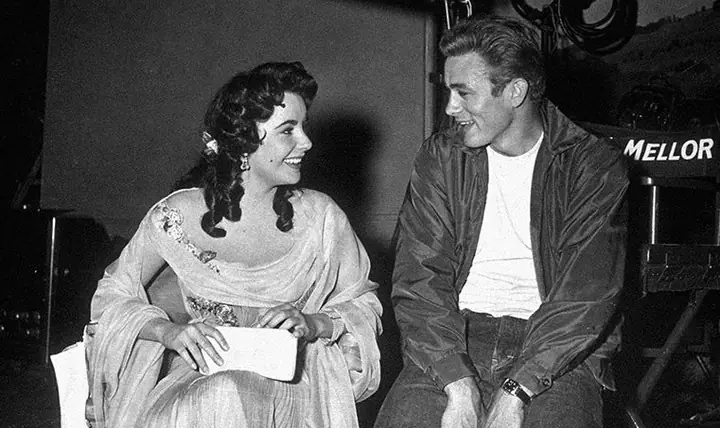
James Dean was awarded a Special Achievement Globe in 1956 for “East of Eden.” The message was unmistakable. From early on, the Globes showed they were willing to honor work on its own terms, even when the artist was no longer alive. That decision arrived early in the ceremony’s lifespan and quietly shaped how future cases would be handled.
Twenty years later, Peter Finch won Best Actor for “Network.” He had died only weeks before the awards night. The win was treated as a straight judgment of performance, nothing more. The role spoke for itself and would go on to earn Finch an Academy Award as well.
In 2009, Heath Ledger took home Best Supporting Actor for “The Dark Knight.” The atmosphere was somber, but the vote was not framed as a memorial. His performance wasn’t treated as a farewell gesture—it was recognized as a defining moment in modern film.
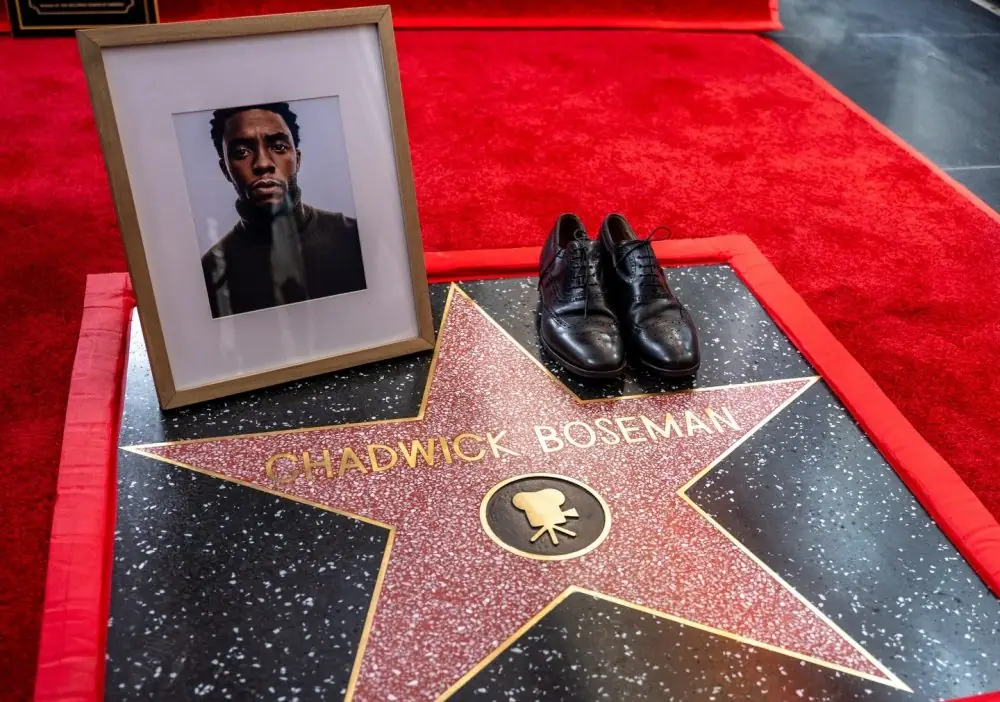
When Chadwick Boseman won Best Actor in 2021 for Ma Rainey’s “Black Bottom,” debate followed. The controversy wasn’t about whether he should be eligible. It was about an assumption. Many viewers read the Globe as a precursor to an Oscar. That leap has never been a rule.
There are other examples scattered throughout Globe history. Spencer Tracy was posthumously nominated in 1968. Raúl Juliá won in 1995. These cases appear sporadically, not in waves. That distance between them is what sustains the misconception that the Globes shy away from honoring the deceased.
Tribute Segments & Competitive Awards Aren’t the Same
An ‘in memoriam’ segment is produced content. Producers choose who appears. They decide tone, music, and timing. It is curated and emotional. The Golden Globes choose not to include this on air. That choice is consistent and intentional.
A competitive award comes from voting. The Hollywood Foreign Press Association evaluates performances released that year. Death does not erase eligibility. It also does not create it. The work either connects or it does not.
Once you separate these ideas, the Globes make more sense. They are not ignoring loss. They are refusing to package grief into entertainment. Instead, they keep the show light and let the awards speak only for the work itself.